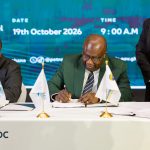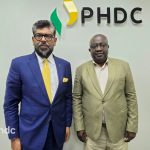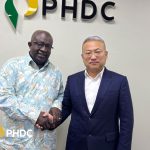


As part of Ghana’s strategic efforts to deepen its understanding of global energy governance and strengthen regulatory institutions back home, members of the Ghanaian delegation participating in the 2025 Global Energy Show held a high-level engagement with the Alberta Energy Regulator (AER).
The meeting focused on Alberta’s regulatory framework for onshore energy operations, offering valuable insights into how the province manages the full life cycle of energy and mineral resource development from initiation, through construction and operations, to closure and reclamation.
In a comprehensive presentation, Brittany Tobias, Executive Liaison and Chief of Staff to the Office of the President & CEO, highlighted the institution’s robust oversight mandate. The AER not only regulates onshore oil and gas operations but also makes binding decisions on project applications, compliance, and all aspects of energy development within the province of Alberta.
The presentation revealed that Alberta currently manages:
• Over 447,000 kilometres of pipeline infrastructure
• Approximately 157,000 oil and gas wells, with about 20% currently active
These statistics reflect the scale and complexity of energy operations under the AER’s jurisdiction.
One notable feature of Alberta’s regulatory approach is the use of an independent hearing commissioner system. Before making final decisions on energy project applications, the AER conducts hearings to gather information from stakeholders, including industry players, communities, and environmental groups. This ensures a transparent and inclusive decision-making process.

The AER also prioritizes responsible development by ensuring that indigenous communities affected by energy projects are fairly consulted and compensated. Compensation mechanisms and community engagement strategies are embedded in the regulatory approval process, contributing to long-term sustainability and social harmony.
The Ghanaian delegation, which included representatives from the Petroleum Commission, Petroleum Hub Development Corporation (PHDC), the Ministry of Energy, Members of Parliament from the Select Committee on Energy and the Ghana National Petroleum Corporation (GNPC) expressed appreciation for the insights shared. They acknowledged the relevance of Alberta’s regulatory model in informing Ghana’s evolving framework for energy governance particularly, as the country prepares to operationalize its own petroleum hub and strengthen institutional oversight.
This engagement marks another important step in Ghana’s ongoing knowledge exchange initiatives with global energy leaders, reinforcing the country’s commitment to transparency, environmental stewardship, and local content development in the energy sector.